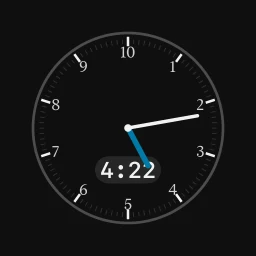
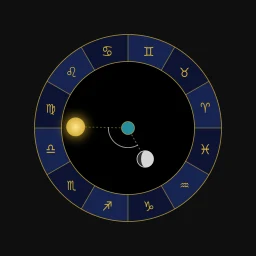
Roman Hours
Hours that breathe with the sun
How to read it
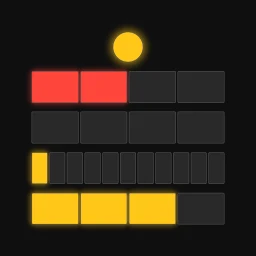
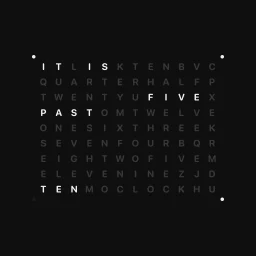
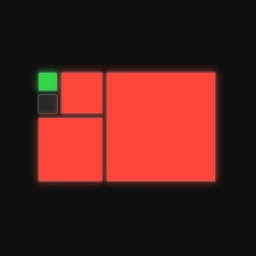
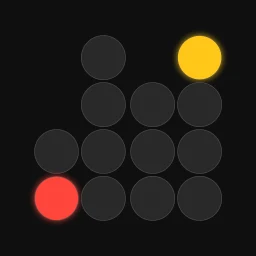
Point at a step, or tap it, to light up that part of the clock.
-
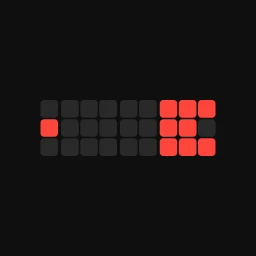
Daylight is split into 12 equal parts — today's parts.
Right now
-
Night gets its own 12 hours.
Right now
-
Far from the equator, summer day-hours can pass 75 minutes and winter ones drop under 45.
Right now
-
This clock uses your real sunrise and sunset.
Right now
The story
Before mechanical clocks, the day ran from sunrise to sunset divided into 12 hours — long in summer, short in winter. Romans scheduled everything by them; hour VI always ended at solar noon.
- Year
- Antiquity
- Place
- Rome and Egypt
- Creator
- The ancient world
Fun fact
'Siesta' comes from hora sexta — the sixth hour, solar noon.